ELEMENT
Contemporary Interpretations of Georgian Architectural Heritage
(Brief overview — full research will be published soon)
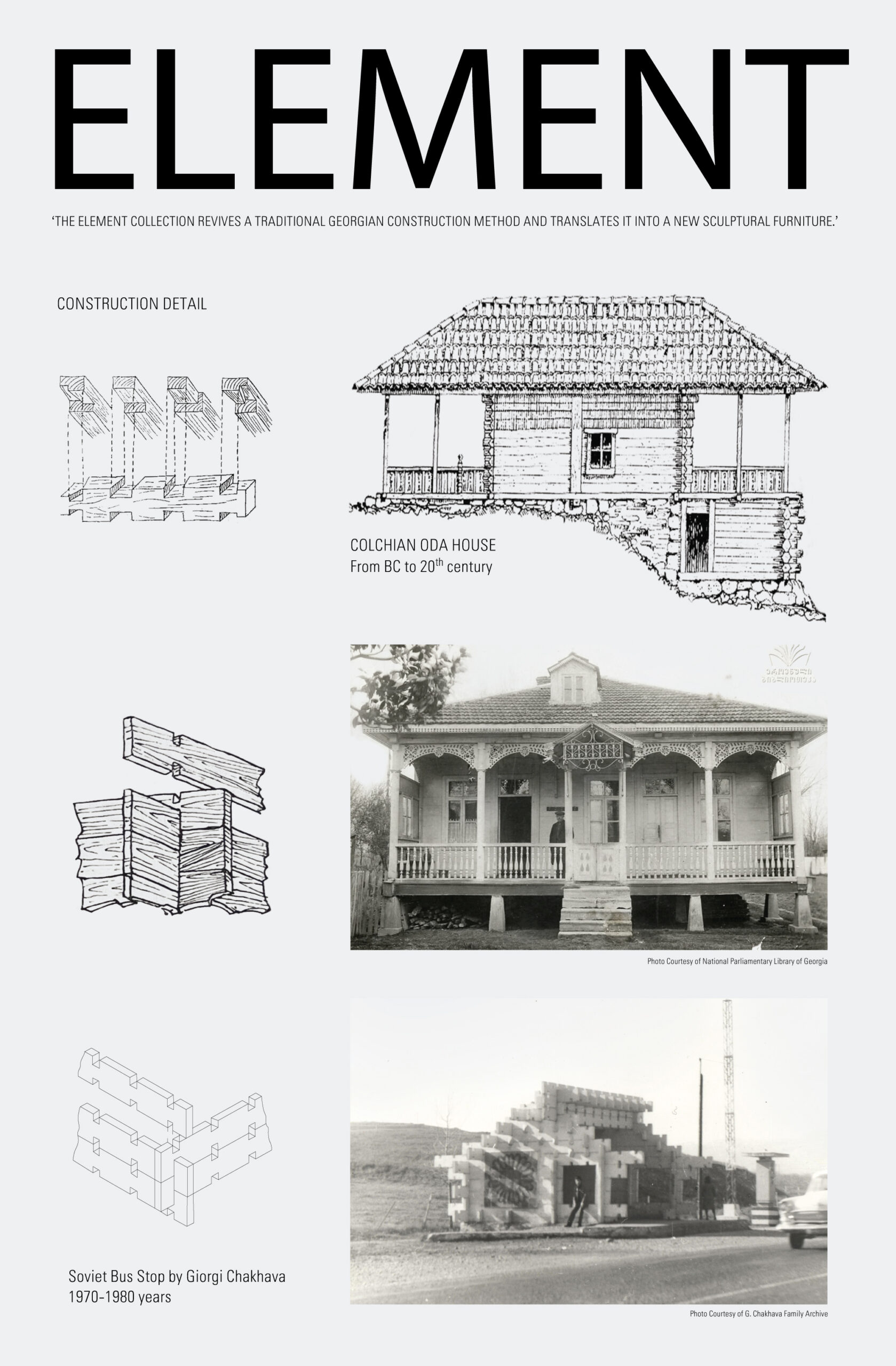
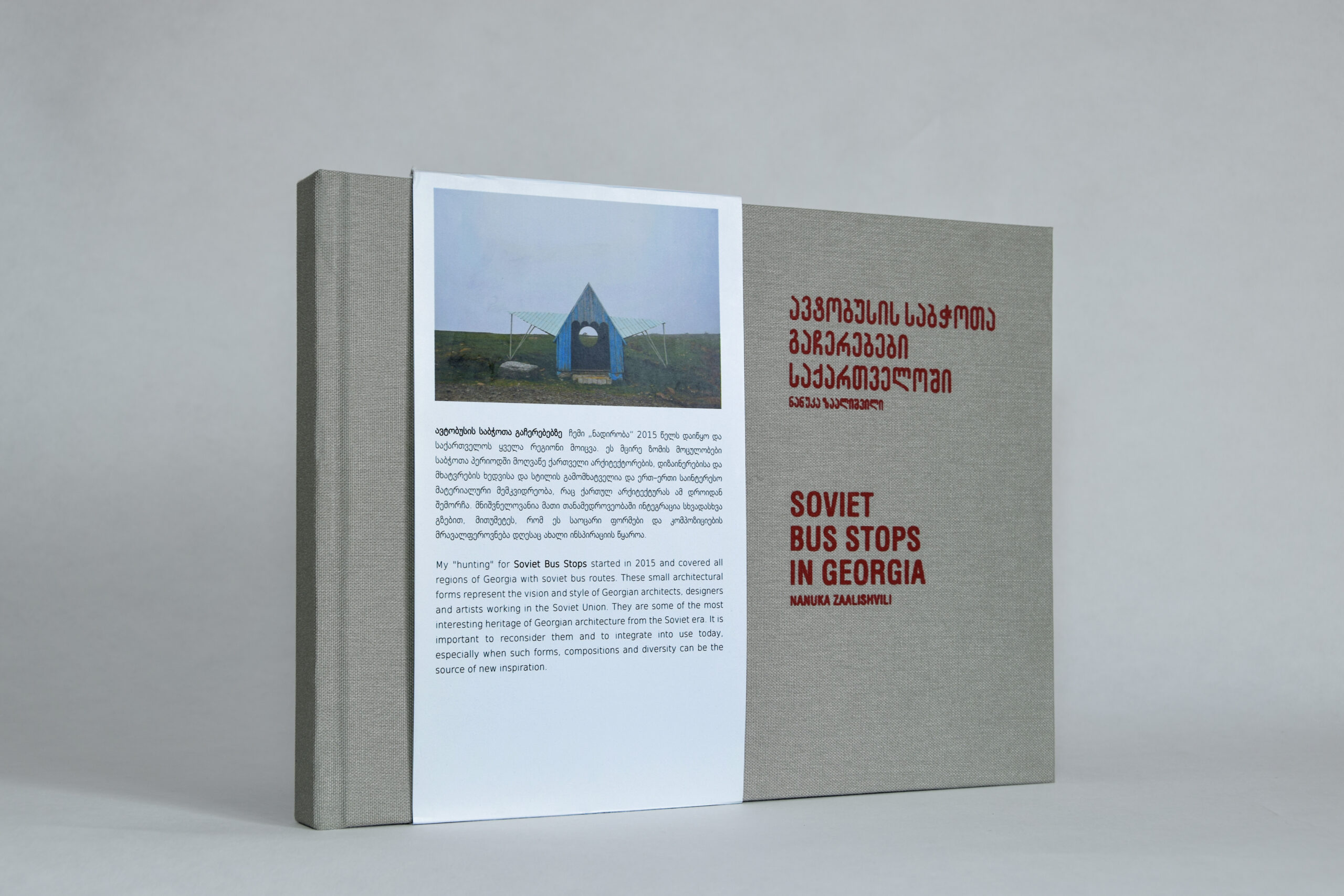
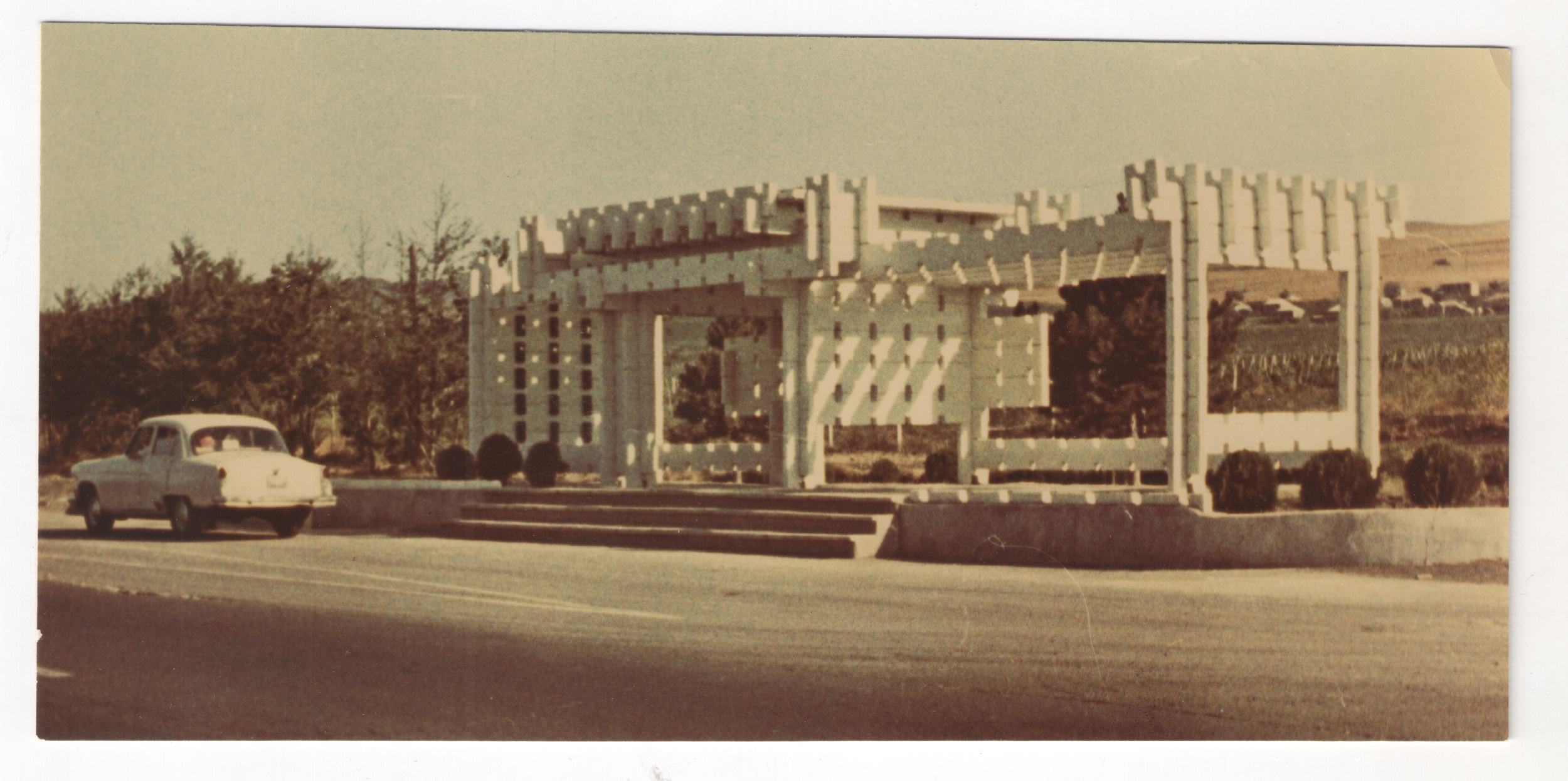
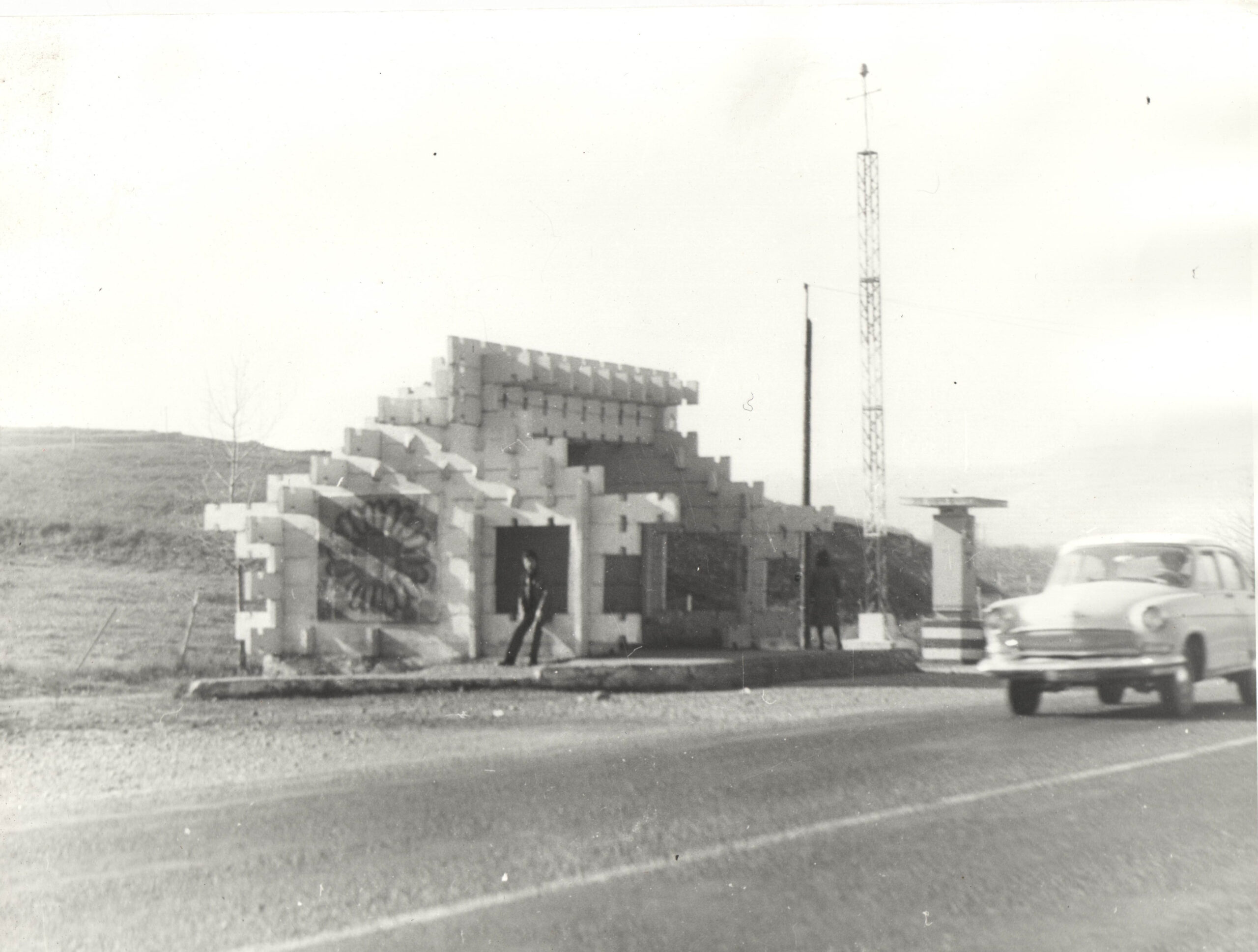
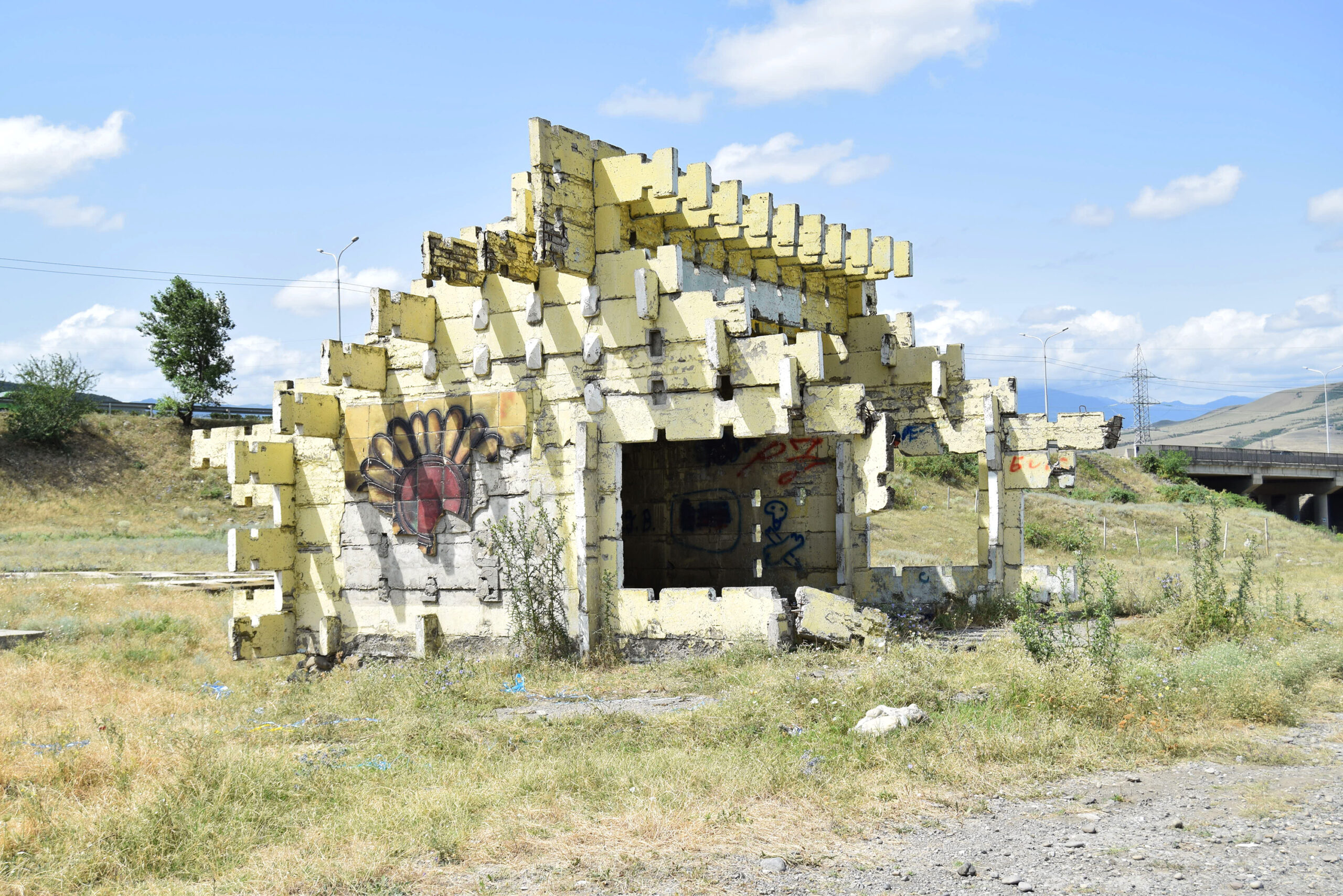
Element is one of Idaaf Architects’ longest-running research projects and represents a continuation of Georgia’s architectural heritage in contemporary practice. The project originates from Nana Zaalishvili’s book “Soviet Bus Stops in Georgia” (2018), which documents roadside bus shelters across the country, notable for their diverse forms and spatial compositions.
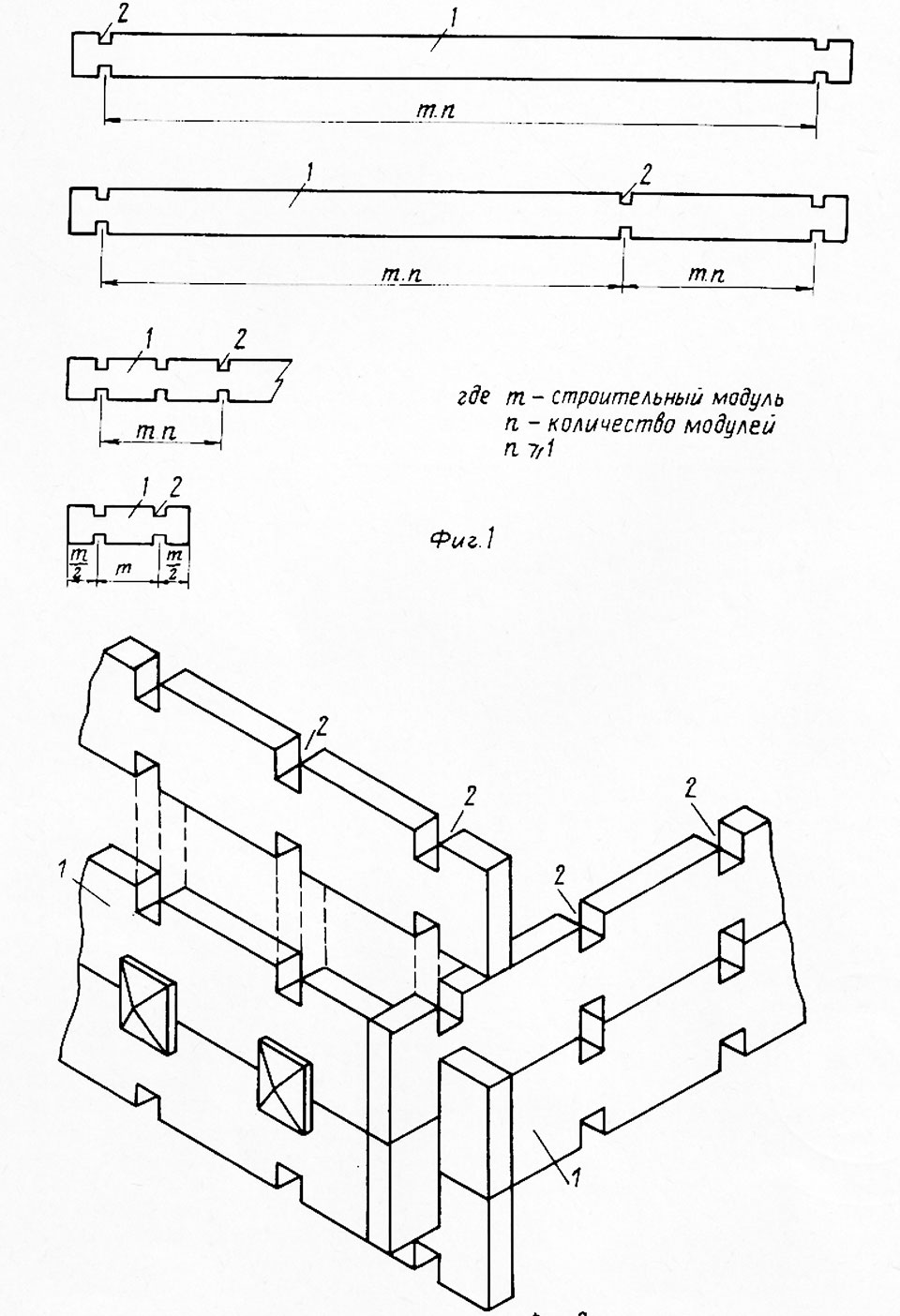
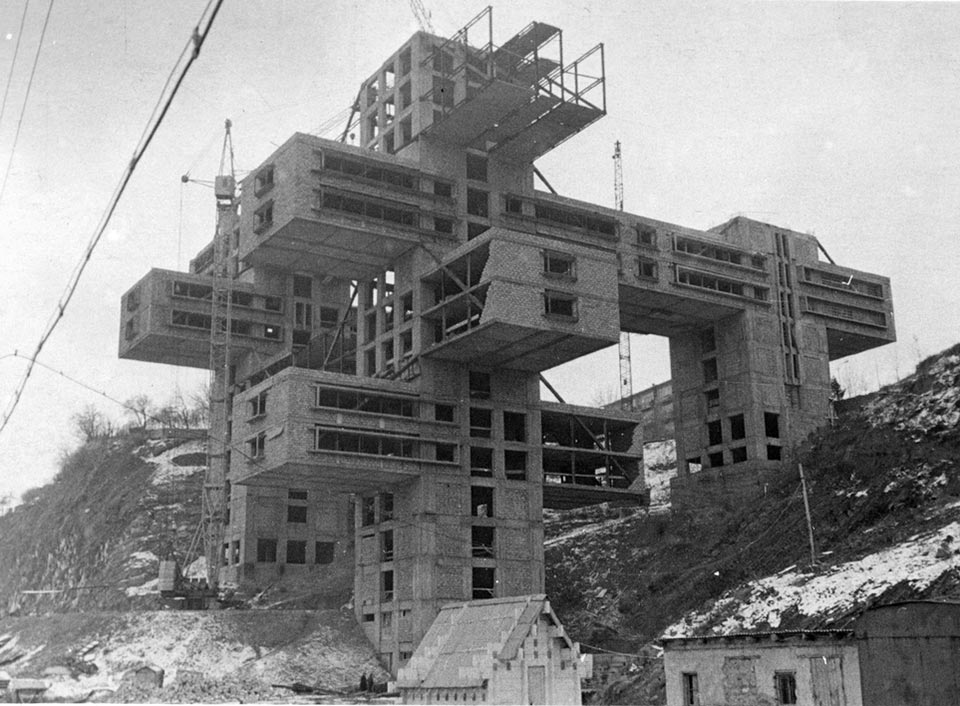
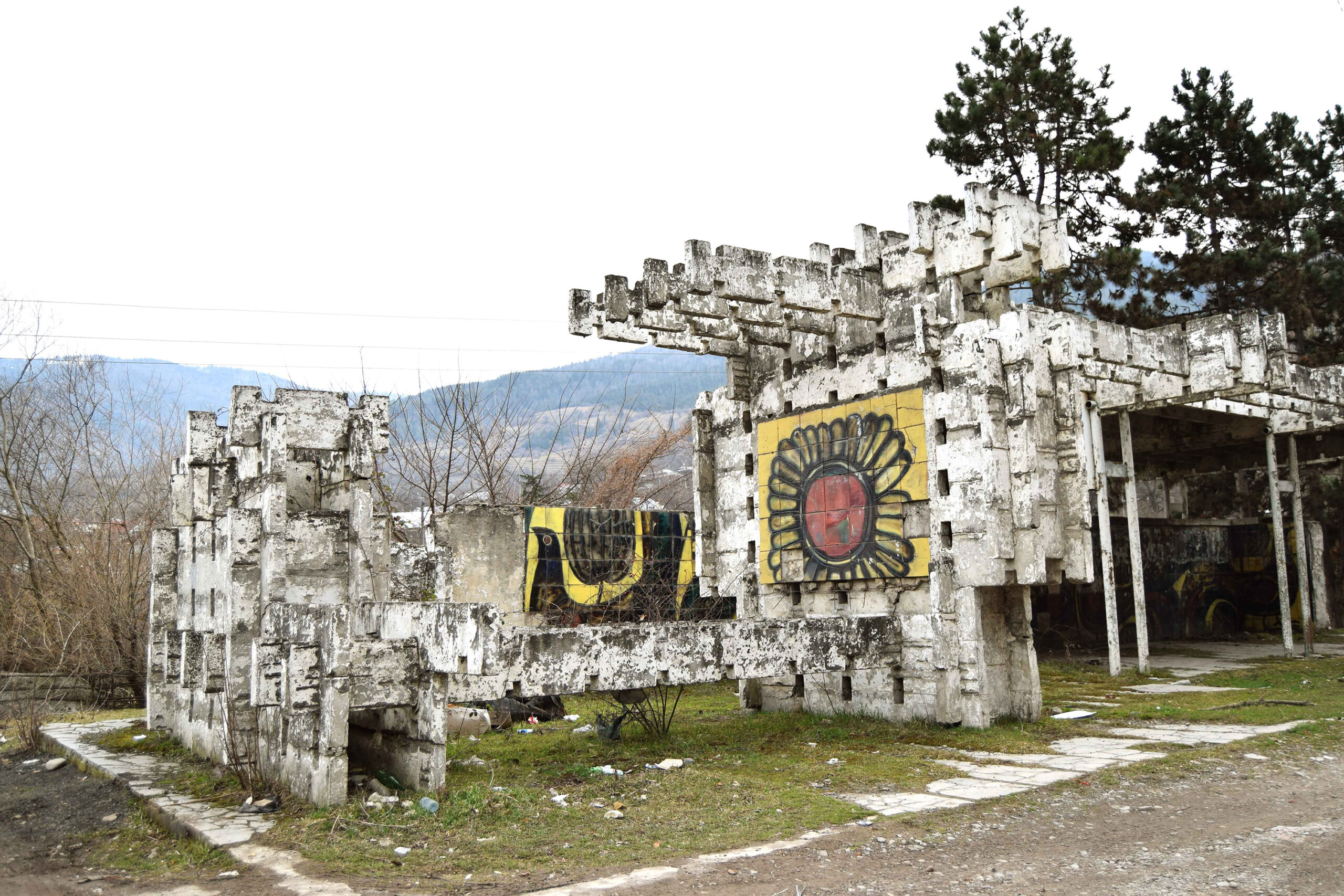
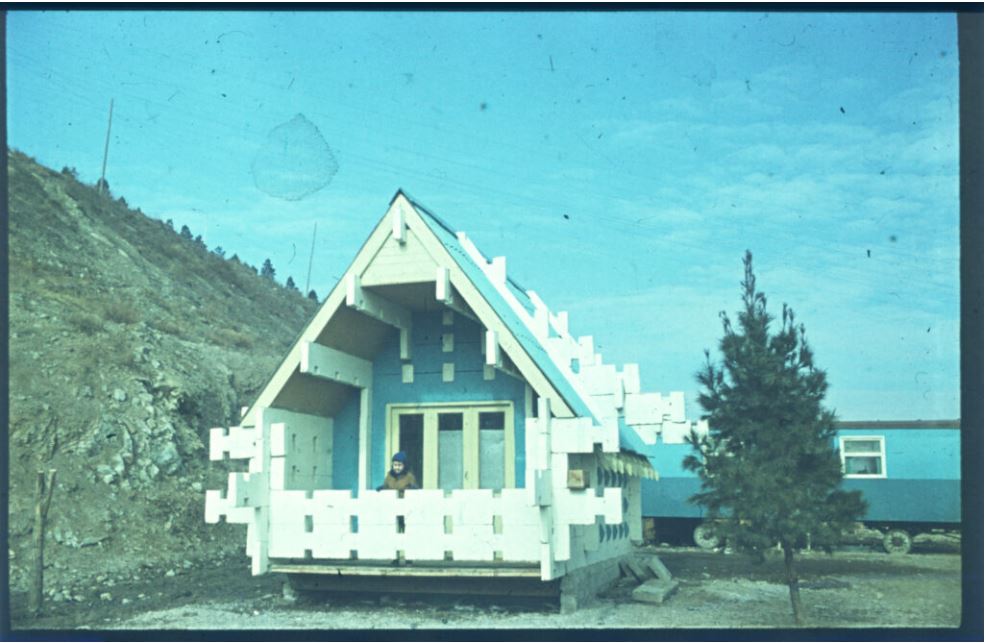
Among more than 100 documented stops, several stand out in particular. These are roadside pavilions designed by Georgian architect Giorgi Chakhava during the Soviet period. Constructed from prefabricated reinforced-concrete panels, these modular elements demonstrate unexpected architectural possibilities. Their simple forms allow for flexible spatial compositions and distinctive structural expression.
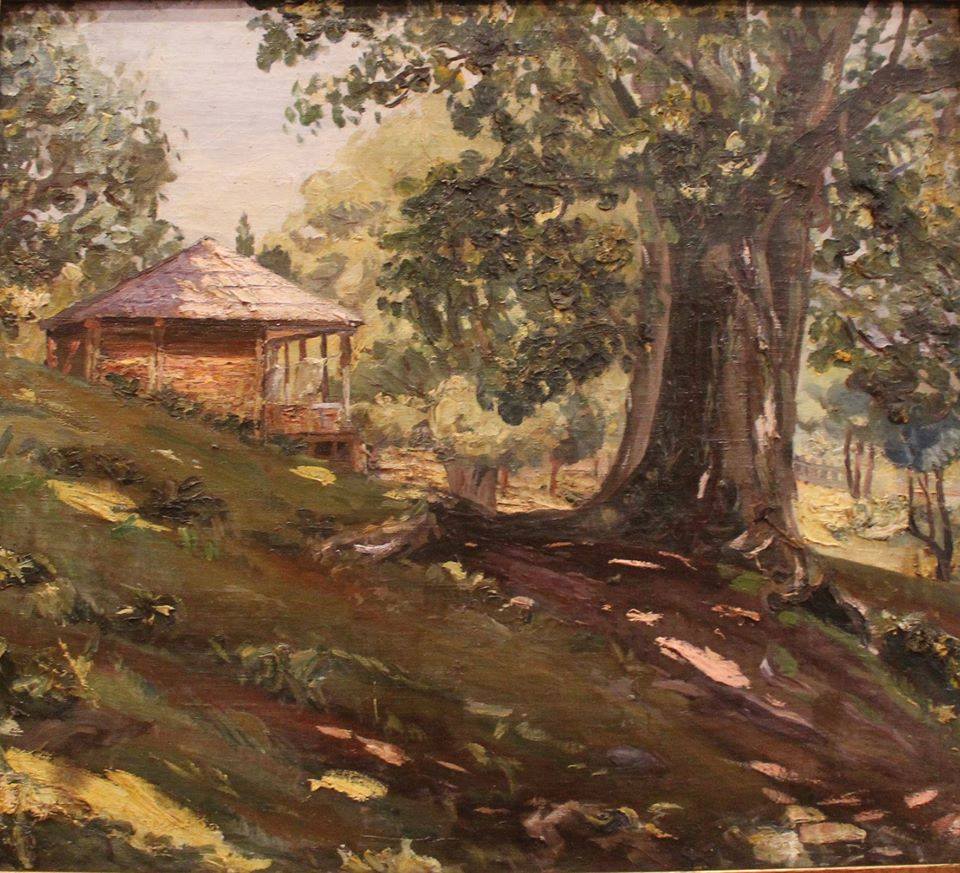
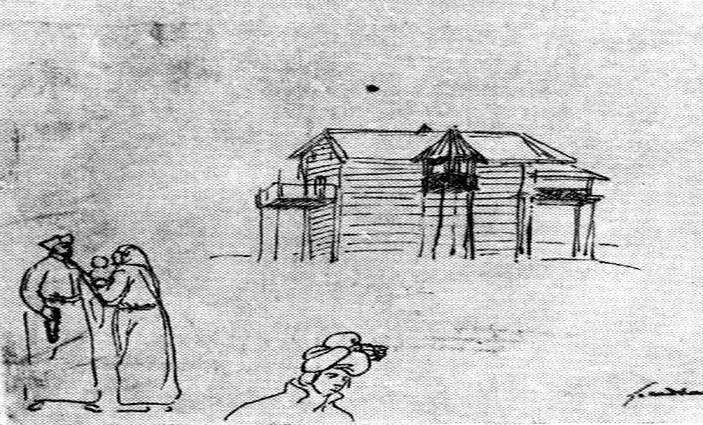
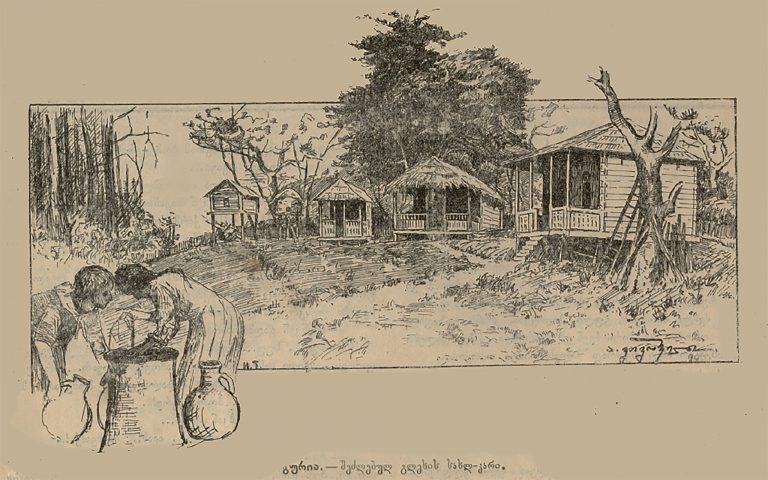
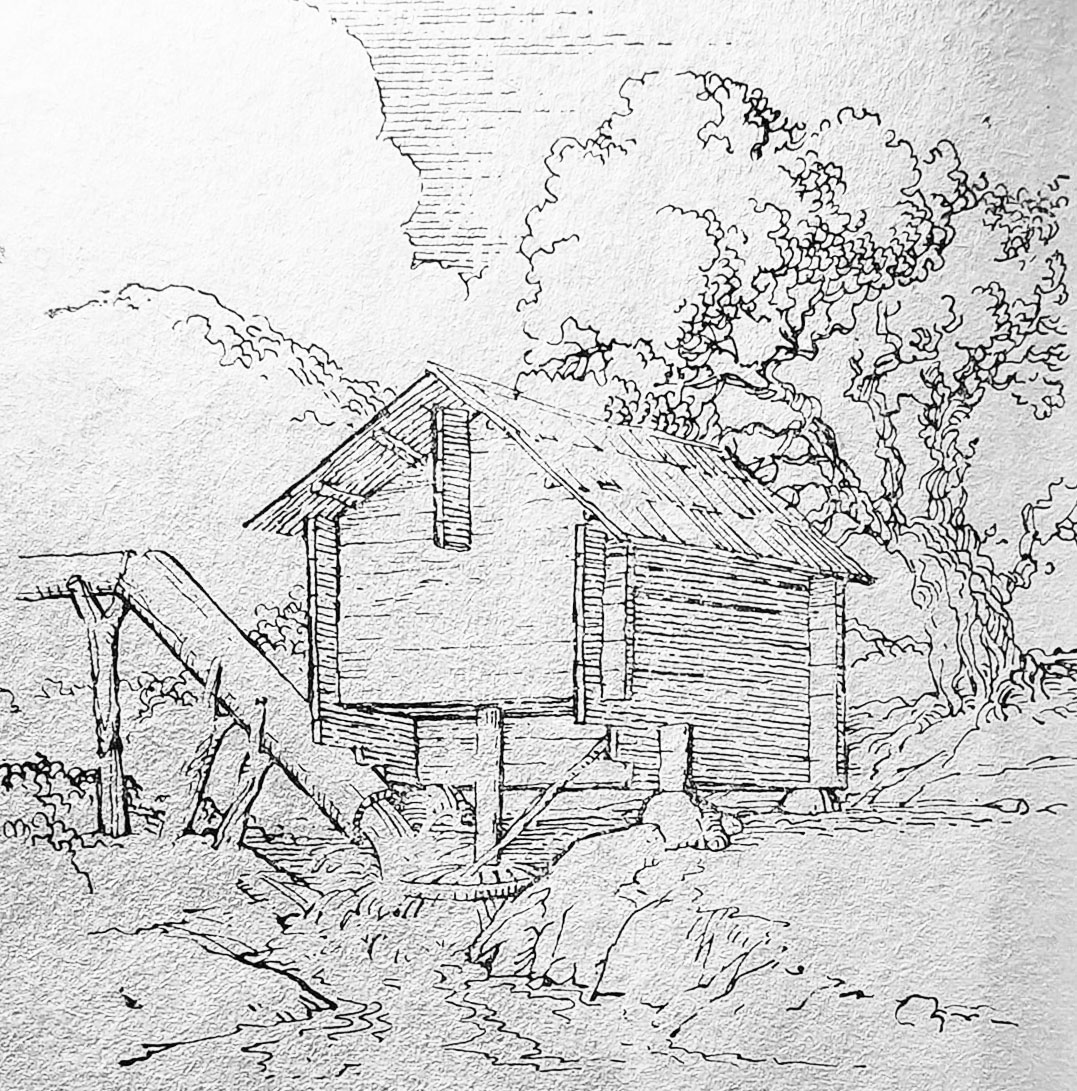
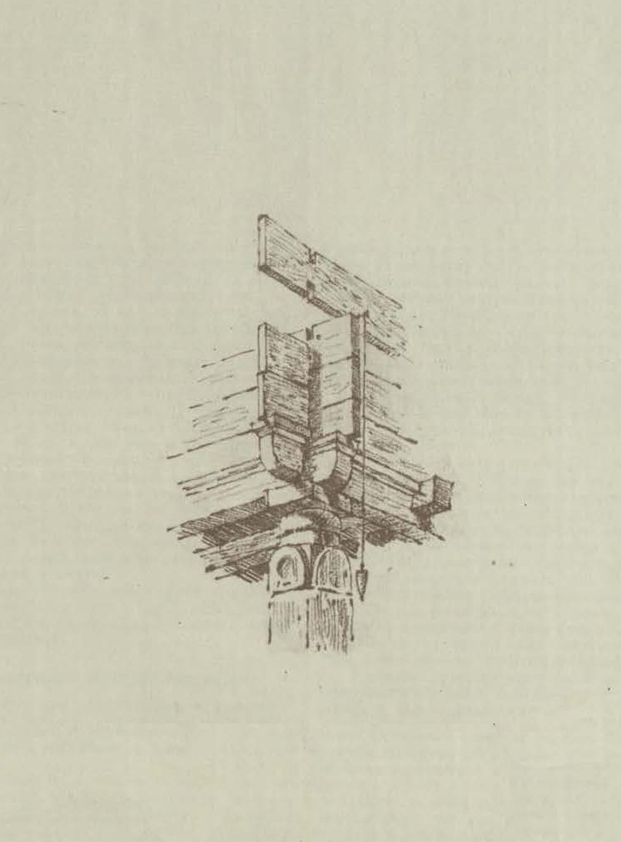
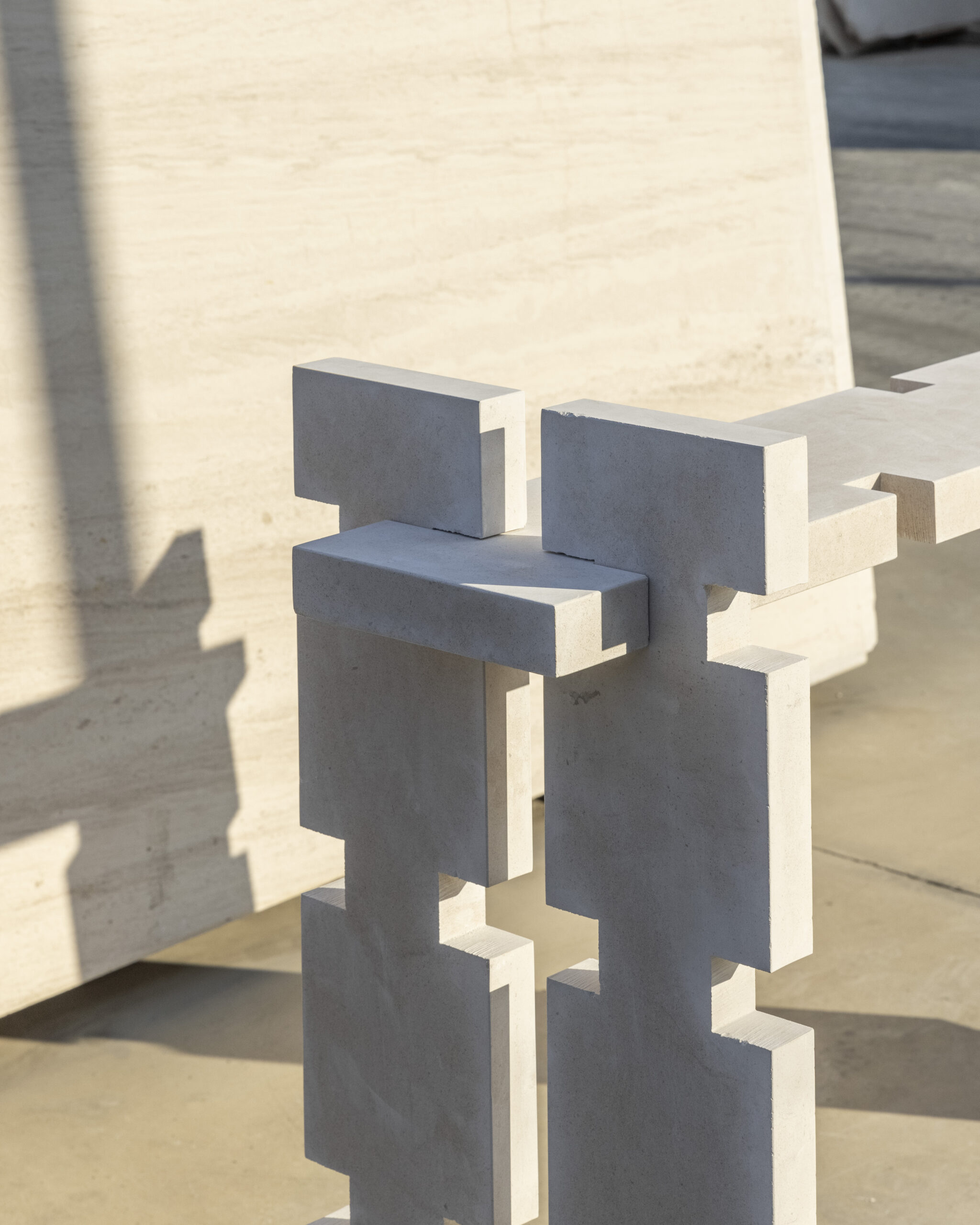
The research revealed a close relationship between Chakhava’s “construction element” and the structural logic of traditional Georgian oda houses—specifically the kiliki corner joint, formed by the interlocking projection of timber boards at the external corners of the structure. The oda house is one of the most thoroughly studied and best-preserved types of Georgian vernacular architecture. Although modest in scale, these houses are structurally complex: built without nails, they rely on intricate joinery systems that allow the structure to be dismantled, relocated, and reassembled elsewhere. Different components were traditionally crafted from different wood species according to their structural function.
Chakhava’s vision – transforming this archaic Georgian architectural detail into a contemporary structural principle and translating it into reinforced concrete within the language of modernist architecture, became the inspiration for Idaaf Architects to extend this lineage. The studio developed a new interpretation of this structural logic, expressed today through collectable furniture.
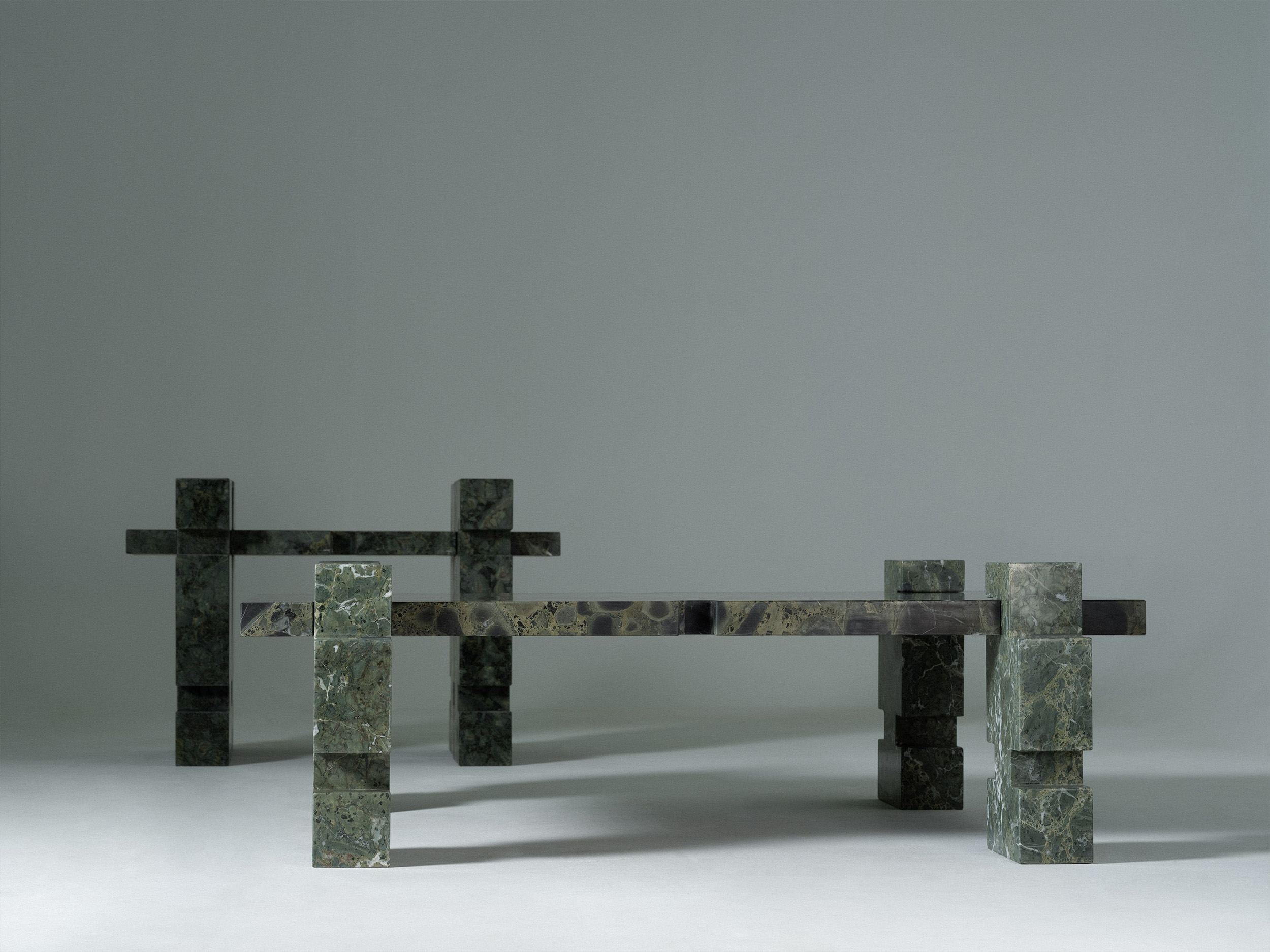
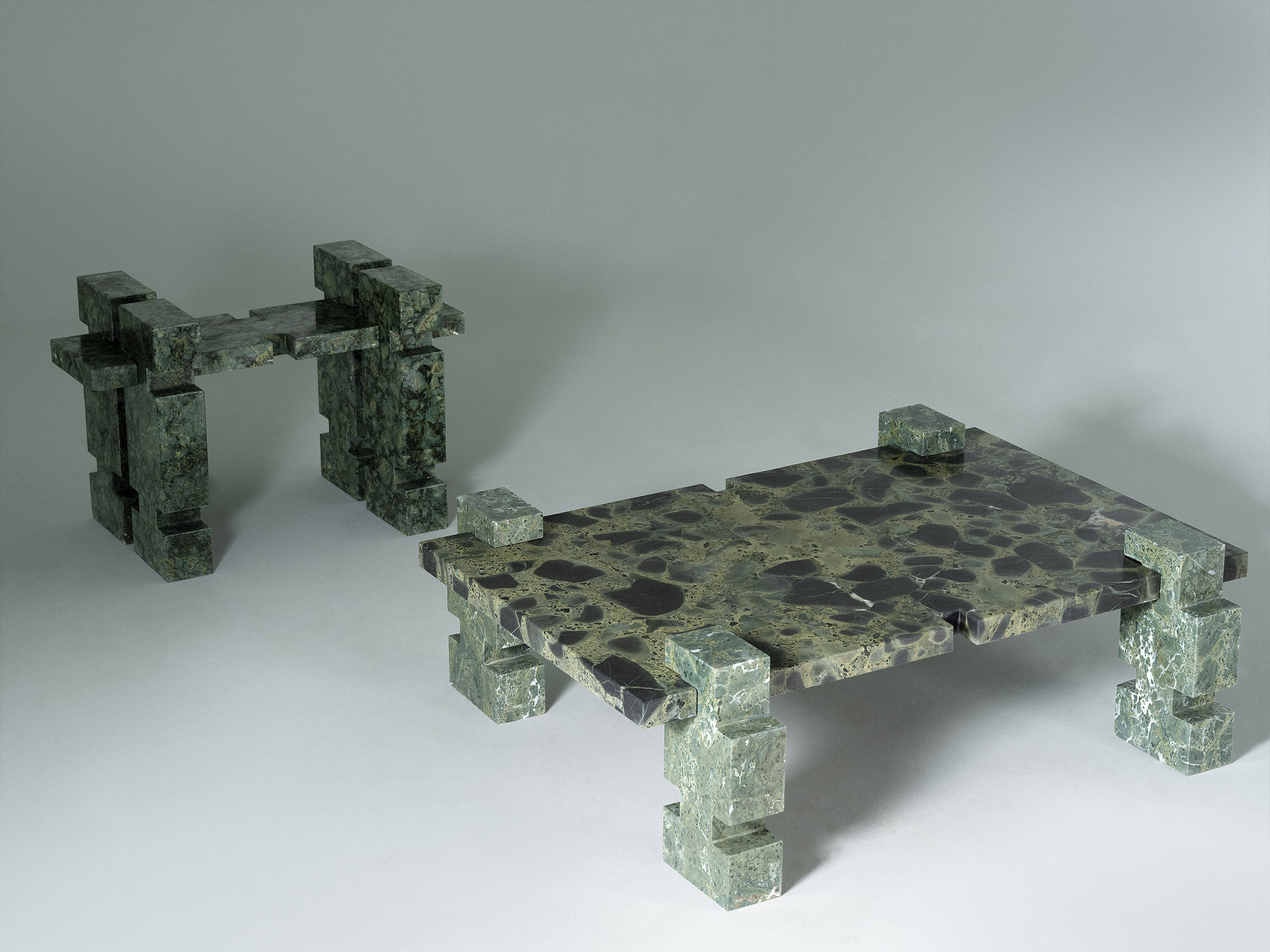
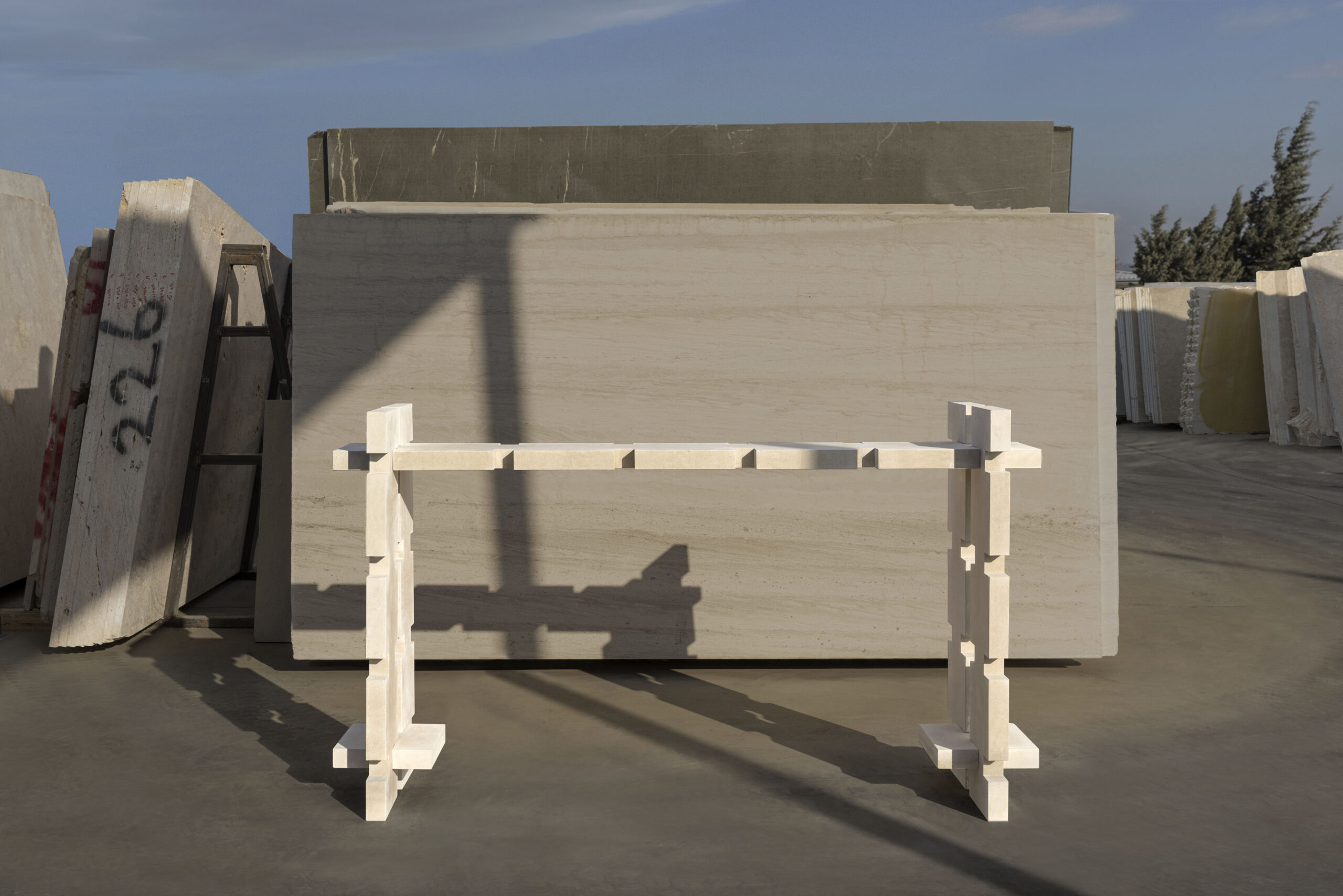
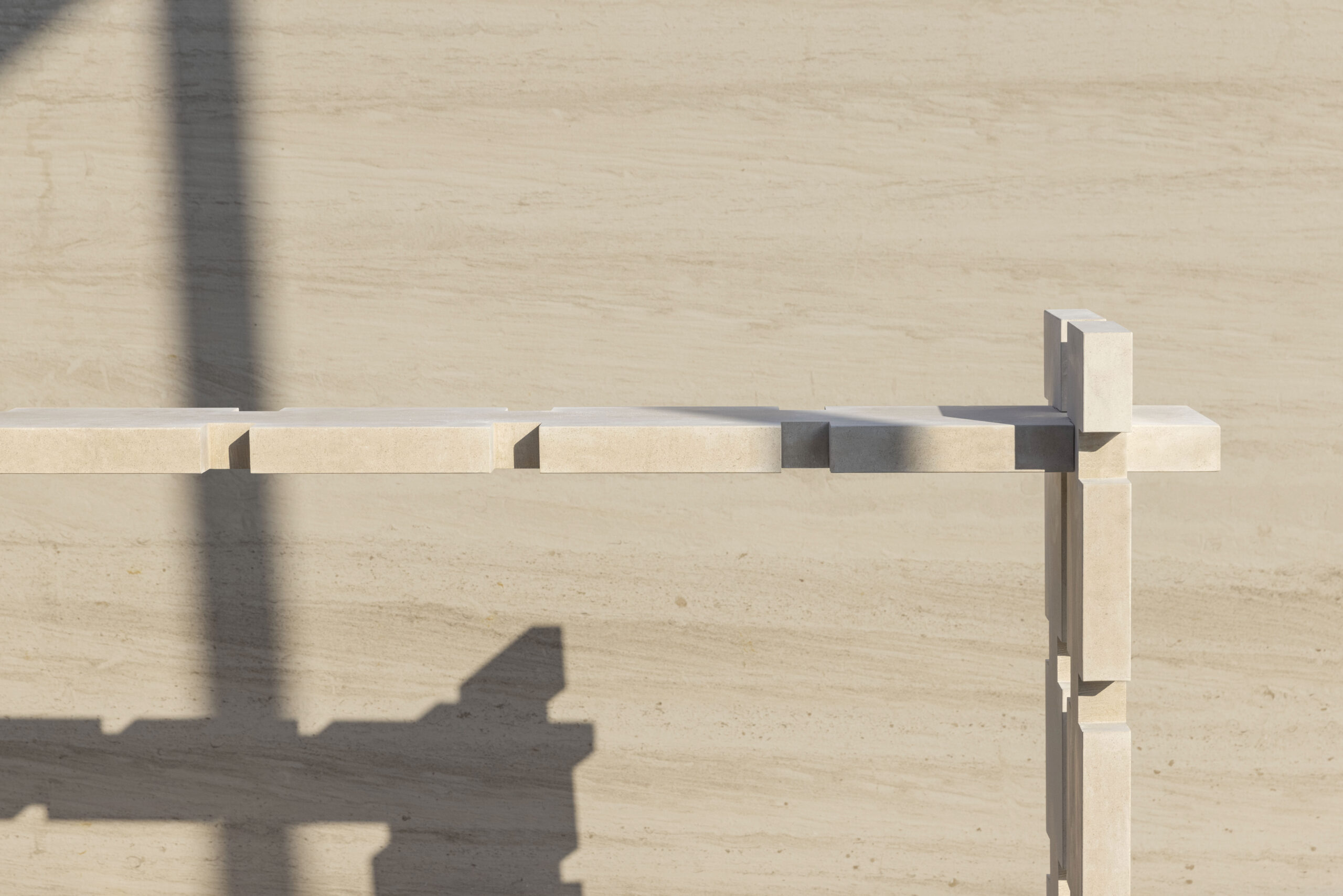
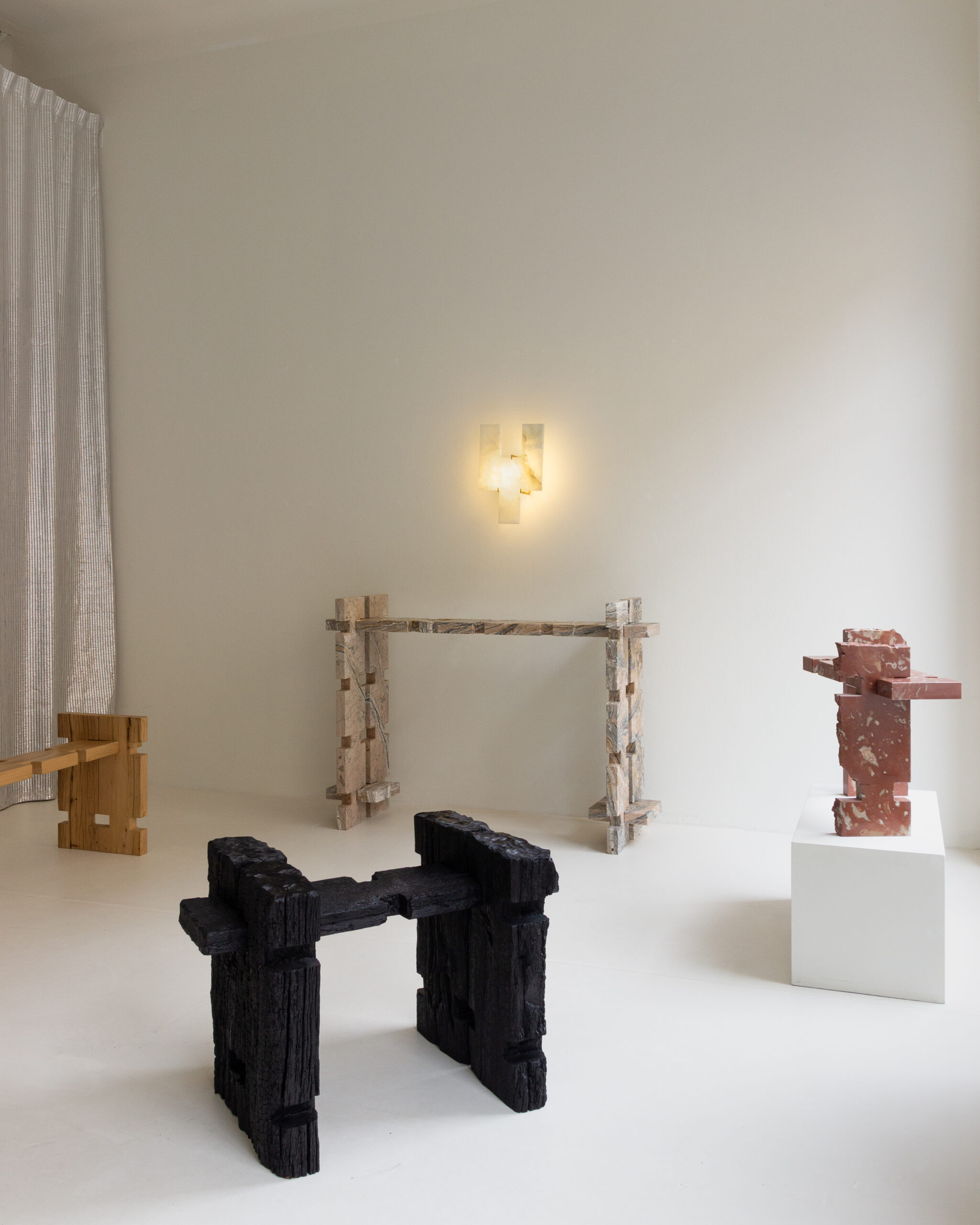
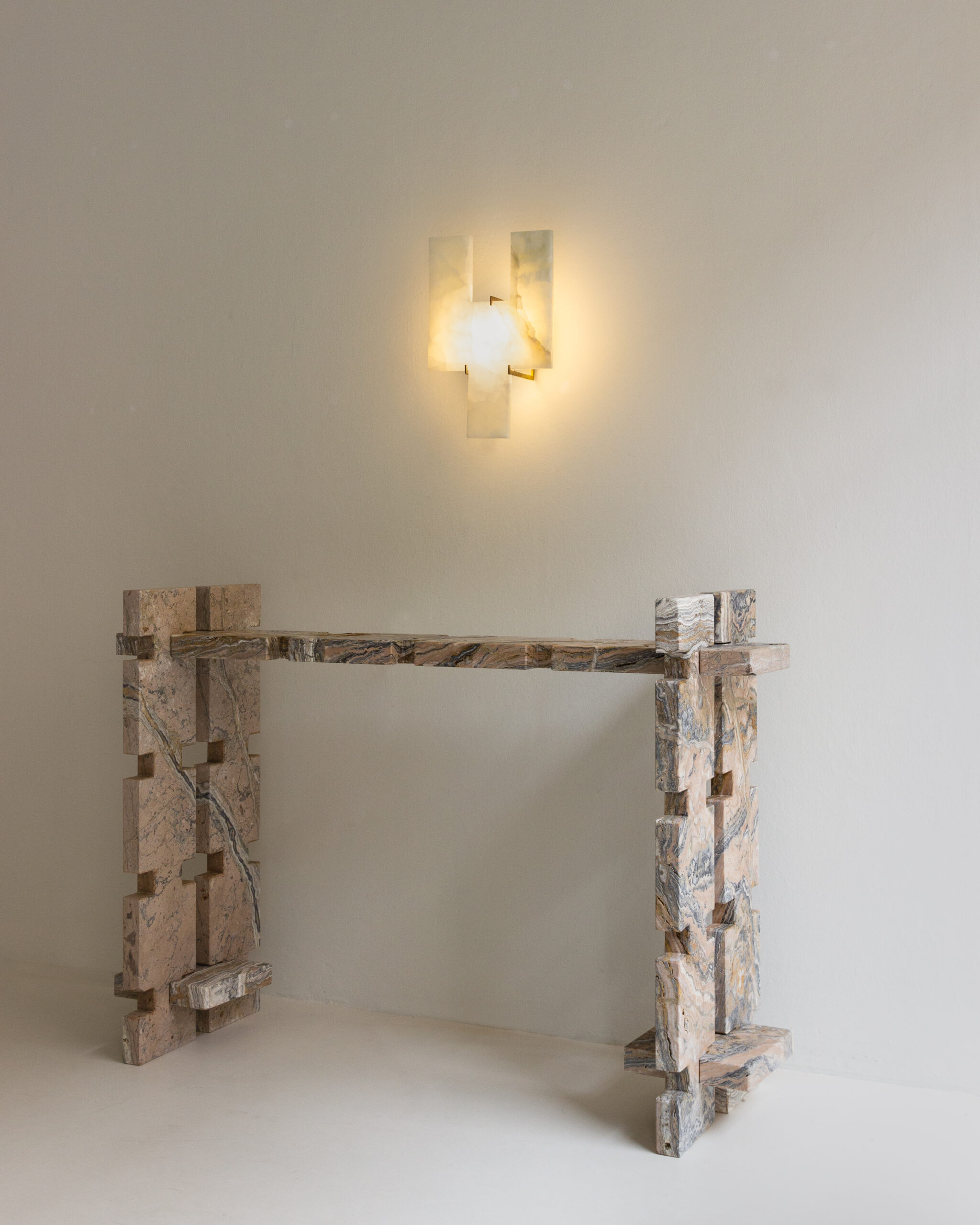
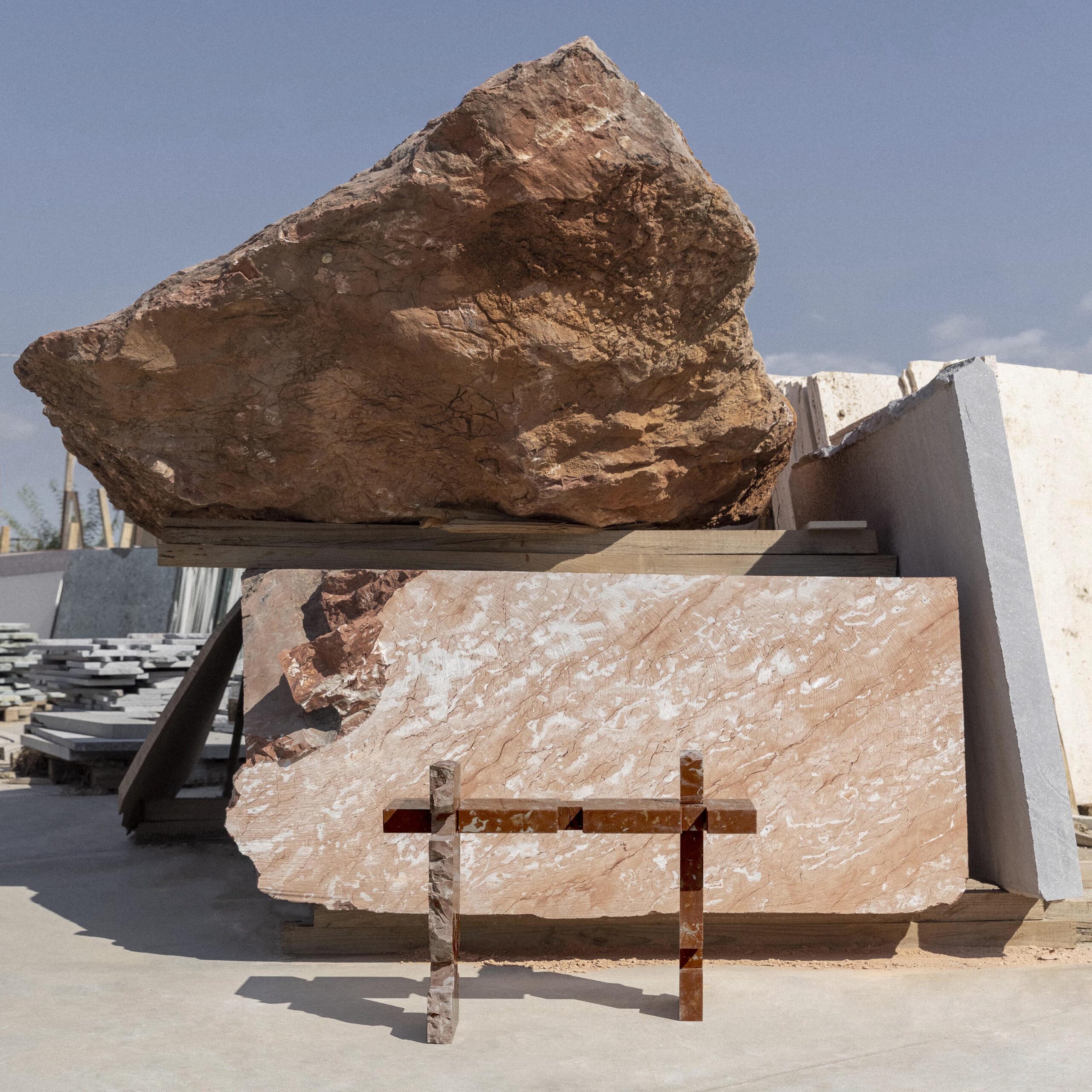
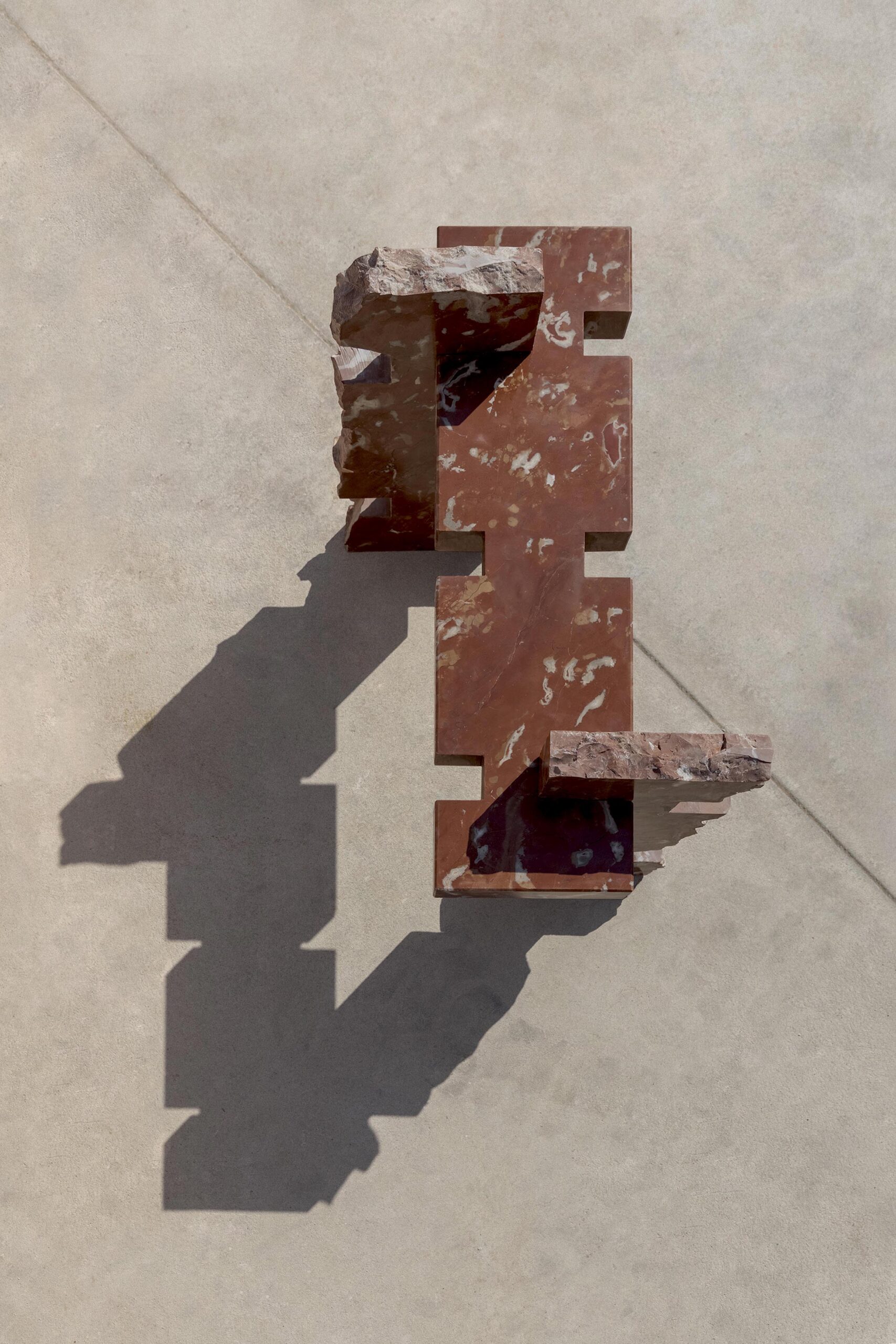
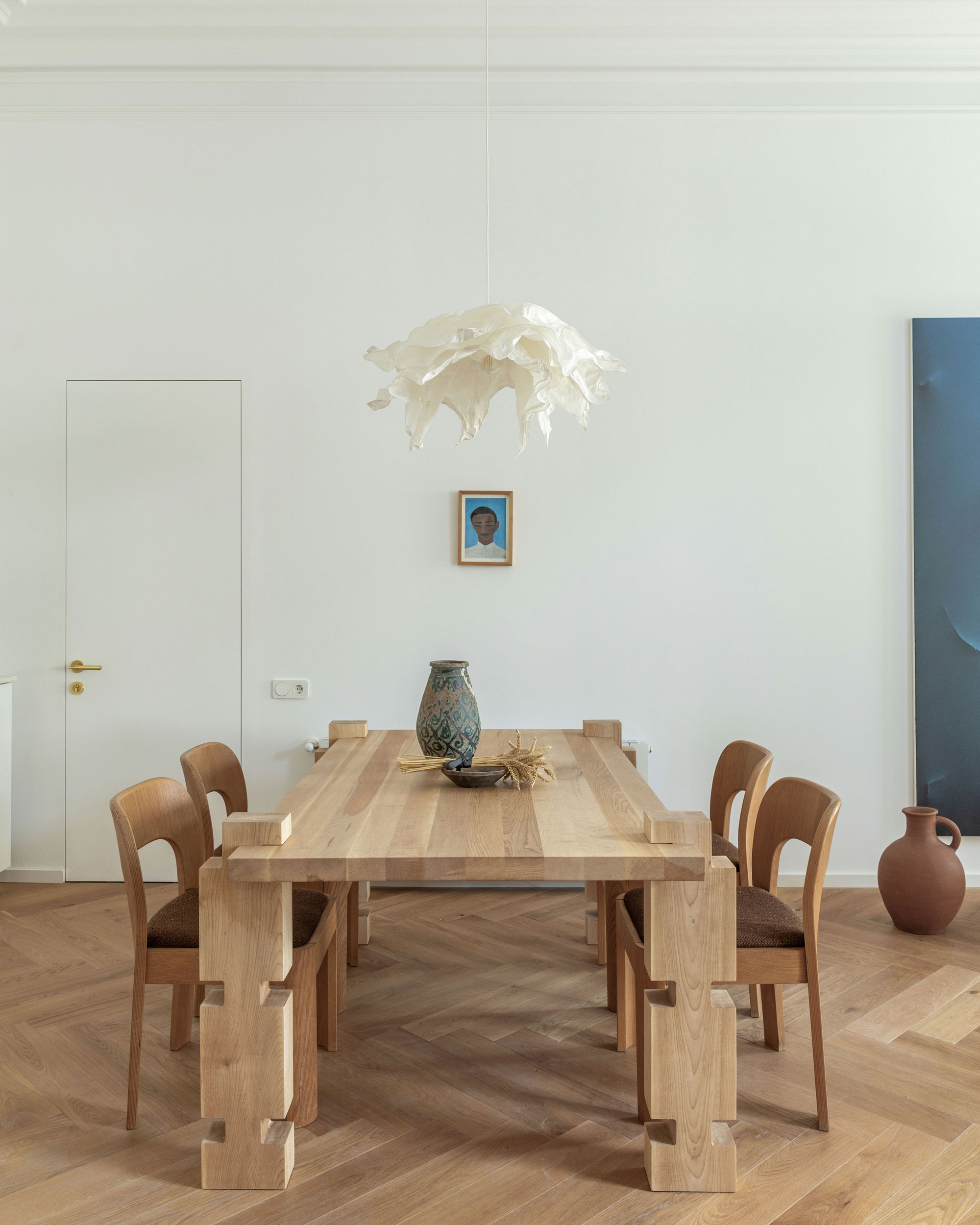
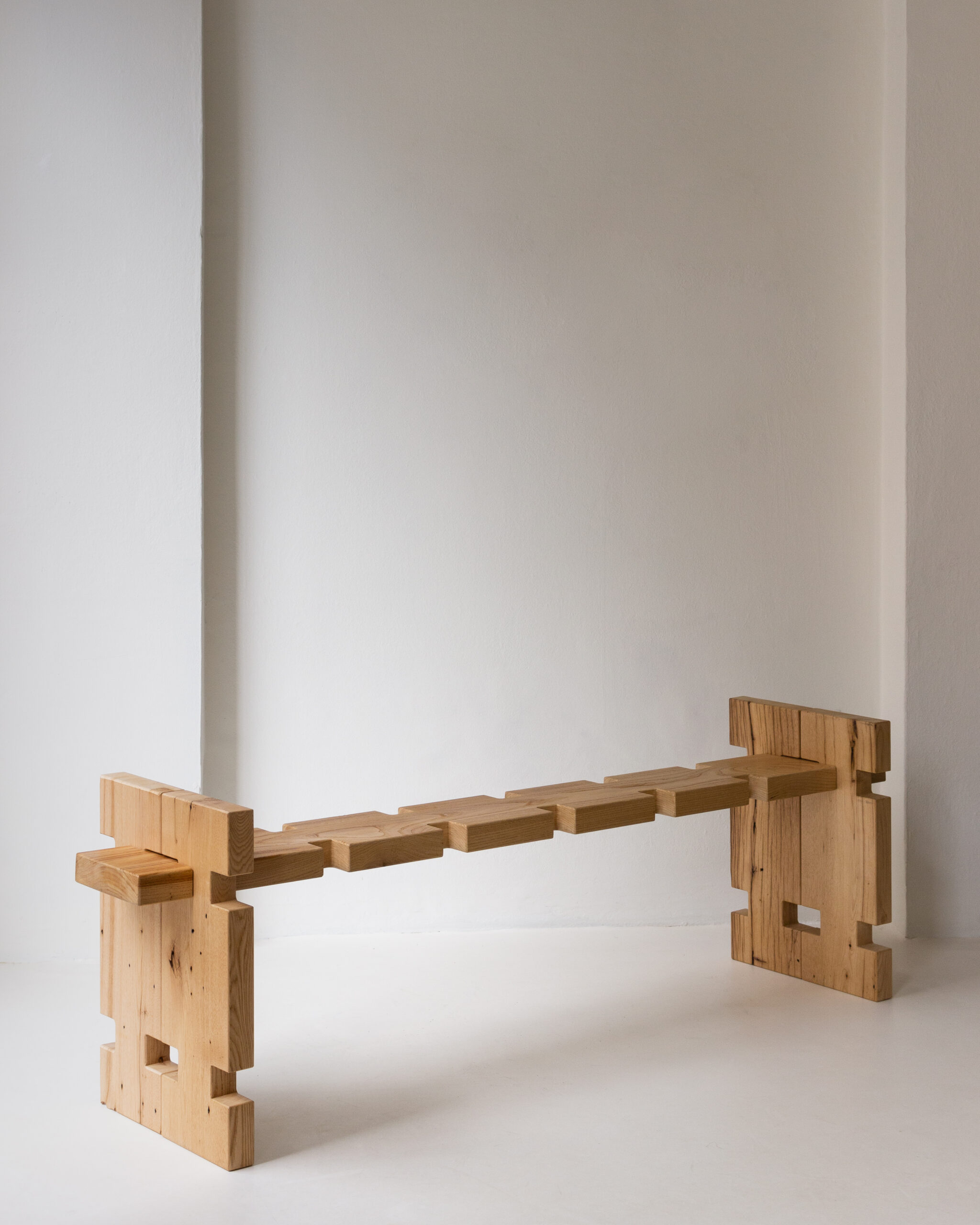
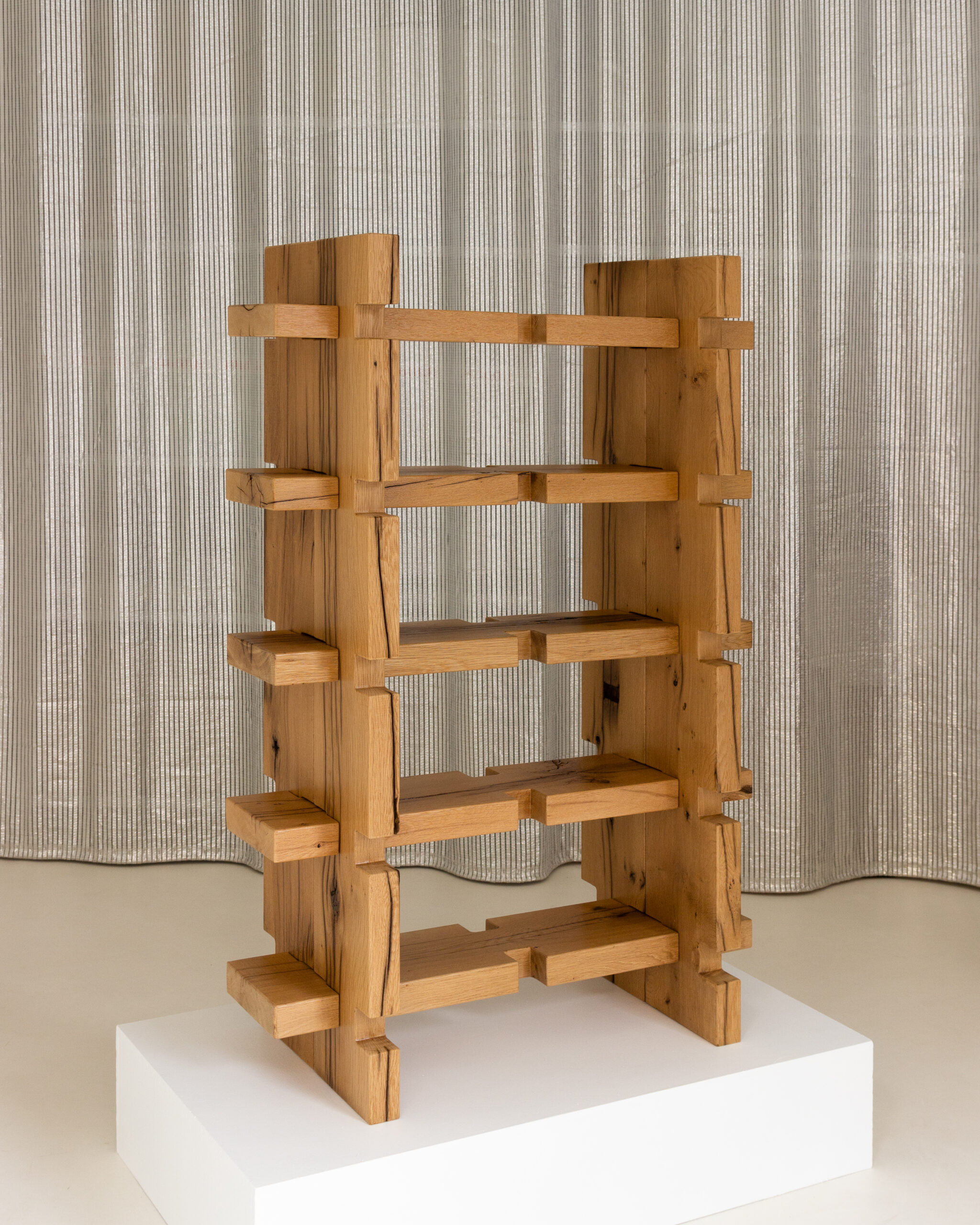
The Element furniture collection is composed of modular forms that interlock through the same structural logic, creating solid and adaptable objects. Because of its variable configurations and material diversity, Element remains an open and evolving system that allows for considerable functional freedom. The furniture is produced using Georgian stone and wood, emphasizing the expressive potential of local materials. Stone pieces are crafted from Georgian diabase, red marble, tuff, limestone, and basalt.
Wooden elements incorporate components from century-old oda houses – the very details that originally inspired the collection. Through this method, a traditional Georgian construction technique is revived in contemporary materials and given new function. Element reinterprets the traditions of Georgian architecture and transforms them into sculptural furniture.
Full collection: Element Collection
Photo credits: Giorgi Chakhava Family Archive, National Library of Georgia, Nana Zaalishvili, Guram Kapanadze, Oxilia Gallery.